
News
Thursday May 7 2026
What Sets the Preakness Stakes Apart for Followers of Global Horse Racing
US dirt racing may be a world apart from jumping at Plumpton, but the racing world is shrinking every day, as a thoroughbred elite under both codes expands its horizons. Only this week, Gordon Elliott's Grade I novice chase winner at Punchestown is being touted for Far Hills in New Jersey this October, whilst te world's winning-most horse Forever Young, now holds an entry at Royal Ascot.
On the eve of the Kentucky Derby, we look ahead to the second leg of the US Triple Crown.
The Preakness Stakes is best understood as part of a sequence rather than a standalone event. Run just two weeks after the Kentucky Derby, it carries forward the momentum, storylines, and pressure from the opening leg of the Triple Crown. Unlike races such as the Epsom Derby or the Prix de l'Arc de Triomphe, which are often season-defining targets in their own right, the Preakness is shaped largely by what has already taken place.
Its shorter turnaround, faster pace, and shifting field dynamics give it a distinct rhythm, while tradition adds another layer to how it is viewed.
The middle jewel that carries everything forward
Few races carry narrative weight quite like the Preakness. It is not just about winning, it is about what remains possible. As the second leg of the Triple Crown, it arrives with a storyline already in motion, placing it in a position few global races occupy.
Each year, the question is simple: if the Derby winner returns, can they win again and keep their Triple Crown bid alive? A loss ends it instantly, giving the race a level of consequence European Classics rarely match, where events stand alone rather than hinge on a single outcome.
Timing further increases that pressure. A two-week turnaround is rare at the top level, where elite horses are usually spaced more carefully. Here, recovery is part of the test, demanding not just class but the resilience to regroup quickly and perform again under intense scrutiny.
A faster, sharper test than most classics
The race itself feels markedly different from many international counterparts. Distance, field size and surface combine to create a contest that rewards decisiveness, where positioning and intent matter from the very start rather than unfolding gradually.
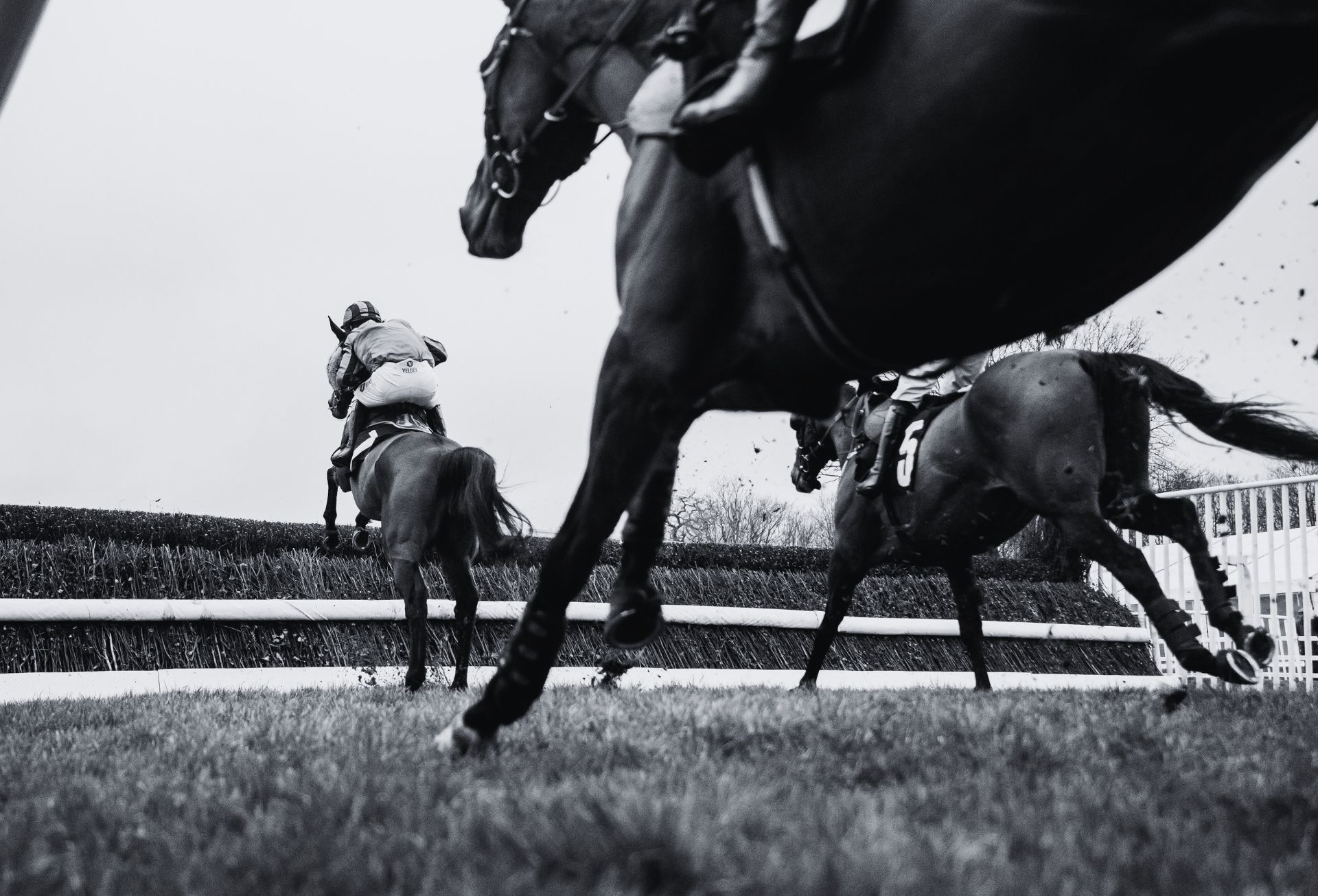
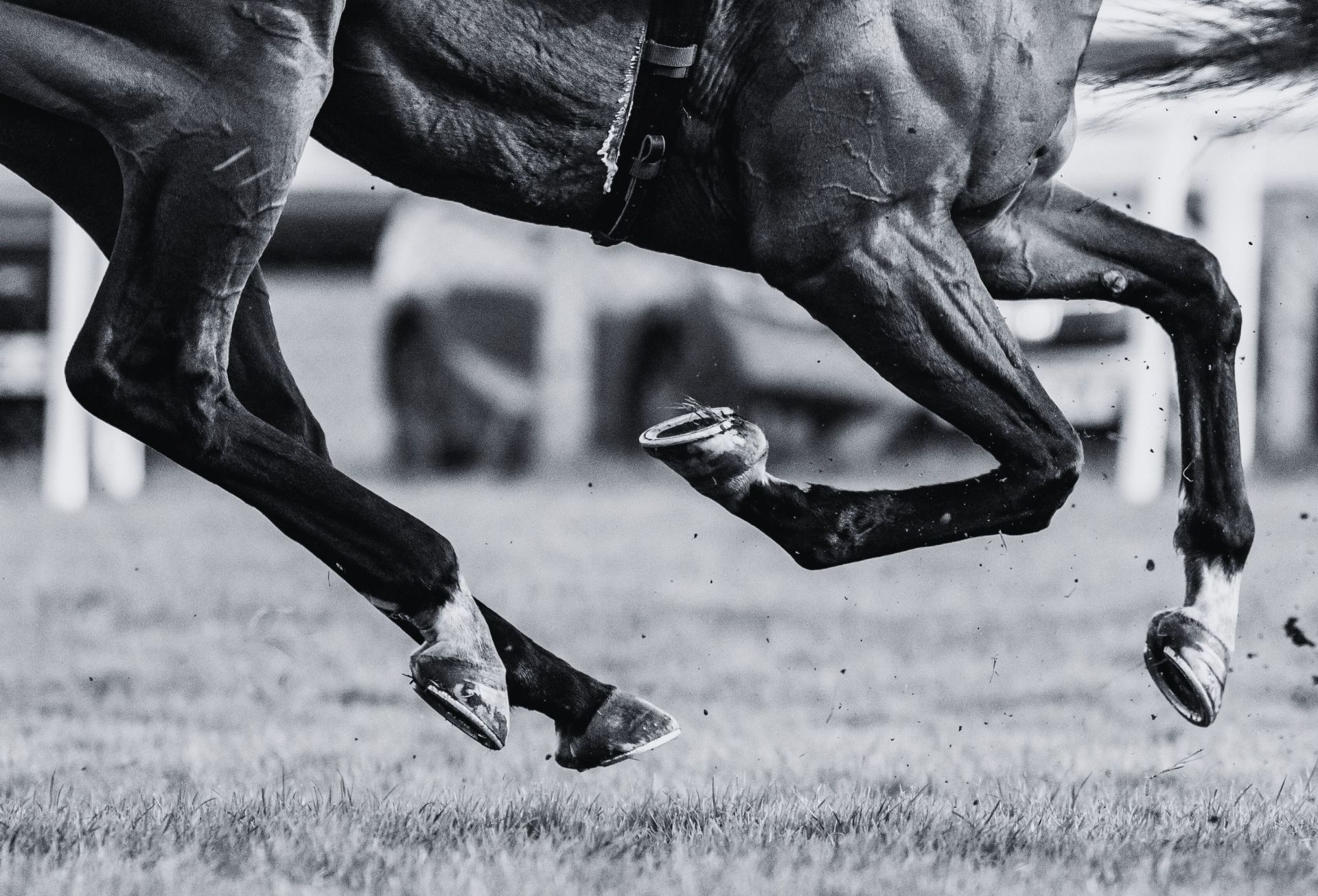
Dirt racing introduces challenges unfamiliar to turf specialists. Kickback disrupts rhythm, making early positioning vital, while the pace favours those who assert control early. Unlike turf races that build to a late finish, the Preakness rewards horses that take command and sustain it.
Field size adds another layer of clarity. With typically eight to fourteen runners, the race unfolds in a more readable way. Traffic remains a factor, but the chaos seen in larger fields is reduced, allowing the tactical battle to take centre stage.
That clarity invites closer analysis. When betting on Preakness stakes, the emphasis often falls on how pace, positioning, and race shape combine to shape the outcome. The way the race develops from the opening stages through to the finish can influence results as much as individual ability.
The "Iron Horse" standard that defines true contenders
Beyond tactics and speed, the Preakness has earned a reputation for something more demanding: durability. It stands as a test not just of talent, but of how much a horse can absorb and still perform at the highest level.
Modern Thoroughbreds are campaigned with precision, with trainers spacing runs to protect peak performance. The Preakness resists that approach, asking a horse to deliver two elite efforts in quick succession, echoing an earlier era when resilience defined greatness.
That demand sharpens the result. The Kentucky Derby can produce surprises shaped by pace or positioning, but the Preakness often removes those variables. Horses that succeed here tend to prove their class beyond circumstance, making it a truer measure of substance.
A meeting point for different racing worlds
The Preakness Stakes does more than test horses, it brings together contrasting racing philosophies from across major global circuits in a single event. Differences in pace, preparation, and race structure all come into play, creating a setting where varying approaches meet and are tested against one another.
Dirt vs Turf: Two Different Skill Sets
European racing is built on turf, where rhythm, balance, and timing define success. Dirt racing demands something else entirely. Horses must handle kickback, break sharply, and maintain position under pressure. Watching the Preakness through a European lens reveals just how different those skill sets are. It highlights a shift from patience and timing to urgency and positioning.
Immediate Pressure vs Long Campaigns
Campaign structure also sets the race apart. In Europe, a Classic season unfolds gradually, allowing horses time to recover and reset, with targets spaced across months. The American Triple Crown compresses that timeline into weeks, with the Preakness at its centre. This amplifies urgency and makes every decision, from running to recovery, carry immediate consequences.
A Pure Test Without Handicaps
Level weights create a straightforward contest. Every runner carries the same burden, leaving ability and execution to decide the outcome. That simplicity contrasts with handicap races like the Melbourne Cup, where weight assignments shape the narrative, often influencing pace, positioning, and outcomes, while the Preakness offers a more direct measure of class.
Maryland traditions that give it a distinct personality
While the race itself is demanding, its atmosphere brings a different kind of appeal, one rooted in local identity, tradition, and a sense of continuity that has been built over many years. The setting adds character to the event, shaping how it is experienced as much as the race itself.
The Woodlawn Vase and Racing Heritage
Few trophies carry the same historical weight. The Woodlawn Vase, crafted in the 19th century, remains one of the most prestigious prizes in American sport. Its presence connects the modern race to its origins, reinforcing a sense of continuity that resonates with racing purists.
Black-Eyed Susans and Local Identity
Each Classic has its symbol. At Pimlico, it is the blanket of Black-Eyed Susans draped over the winner. The image is instantly recognisable, offering a distinct contrast to the roses of Churchill Downs and reinforcing the race’s regional identity.
Painting the Winner’s Colours
Moments after the race, tradition continues. The weather vane is painted in the winning silks, a ritual that feels both simple and deeply meaningful. It captures the immediacy of victory in a way few ceremonies do, linking the result directly to the race’s visual identity.
The “People’s Race” Atmosphere
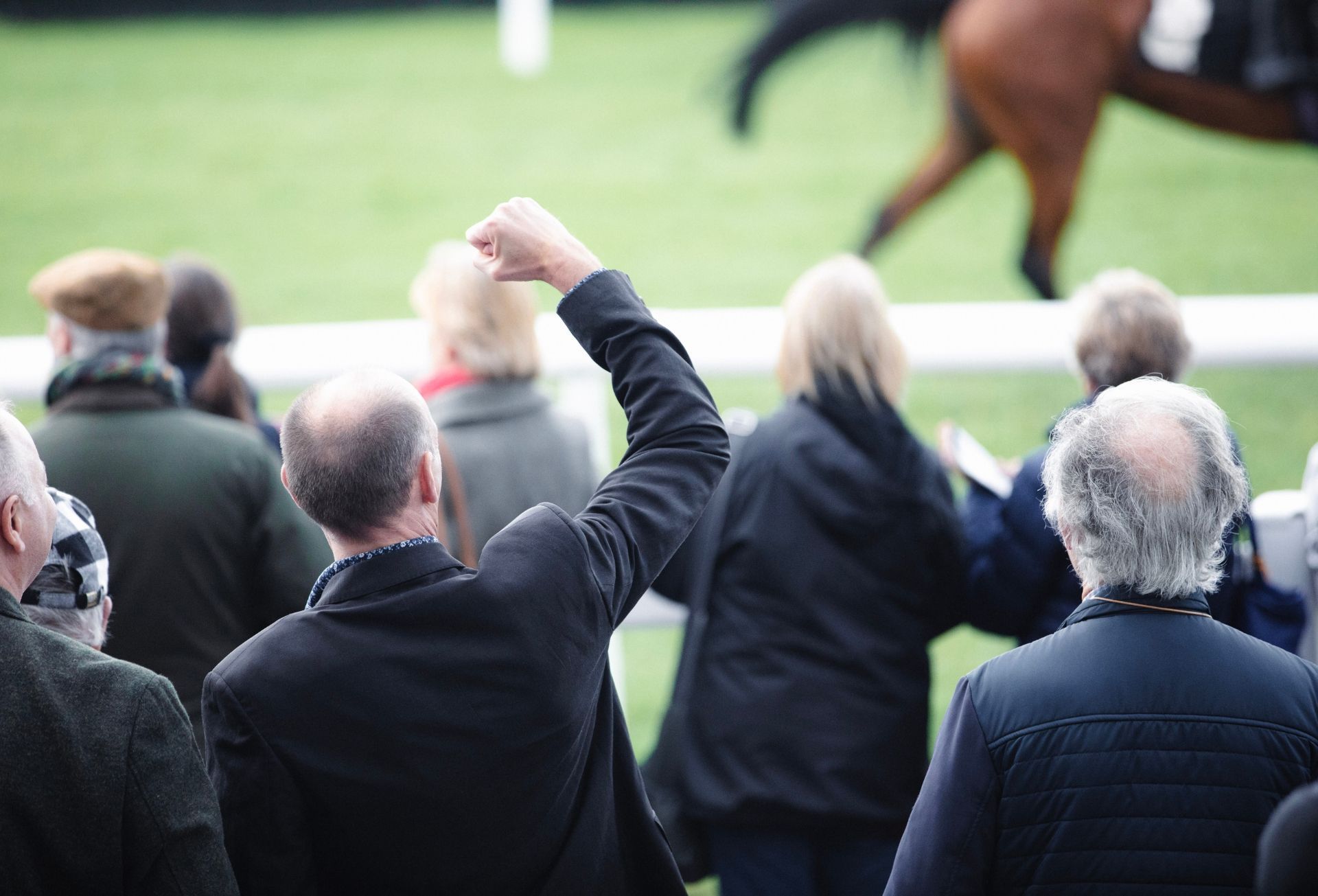
The Preakness has long been known as “The People’s Race.” Its atmosphere blends elite competition with a relaxed, festival-like energy. Infield celebrations and a broad audience create a setting less formal than Royal Ascot, yet no less significant, adding to its global appeal.
A lasting place in the global racing landscape
The Preakness Stakes endures because it offers something rare. It combines narrative tension, tactical clarity, and physical challenge within a single event. Few races ask so much, so quickly, at the highest level, while remaining so accessible to watch and understand.
For global racing followers, it offers a different perspective, highlighting speed, resilience, and immediacy. Maryland traditions give it personality, while its place in the Triple Crown ensures lasting significance within the global racing calendar, keeping it firmly on the radar each year.
