News
Monday August 24 2026
Matt Sheppard: A tale of life at the sharp end
There was an era 20 years ago when racing autobiographies were flying off the presses at a rate of knots. At the time, now retired Bob Sutton, a racing enthusiast turned book seller, was a frequent visitor to racecourses over the Midlands with his second-hand book stall, Racecourse & Covertside. Bob handled the racing library of John Poynton, owner of some terrific horses and early backer of the now well established trainer Ian Williams.
Sadly, racing autobiographies are rather fewer and further between nowadays, not I think because there are less amusing anecdotes, but simply because the sport's day to day activity consumes more of the working day, with more evening and Sunday racing, a stretched workforce and a constant battle to maintain a viable business.
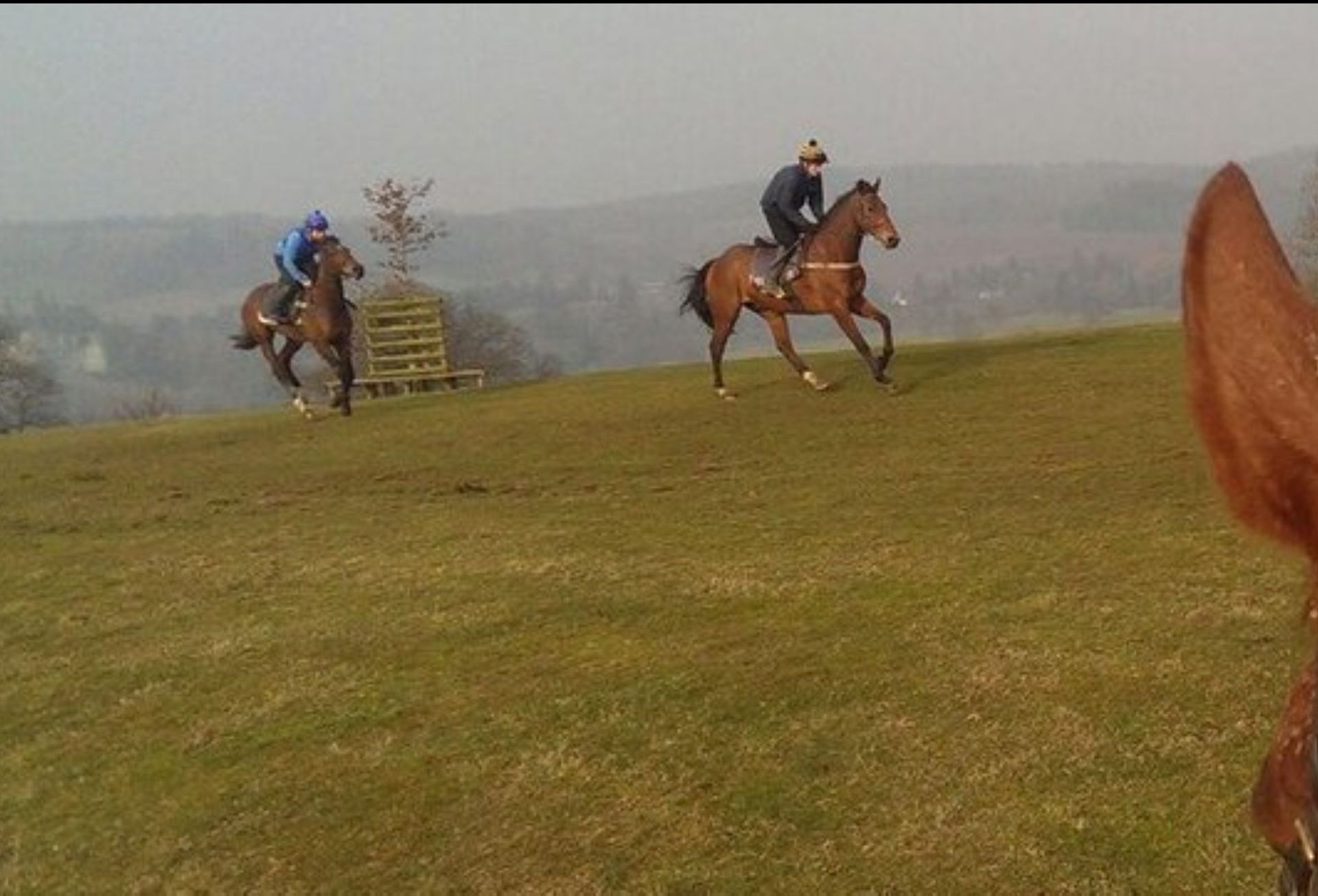
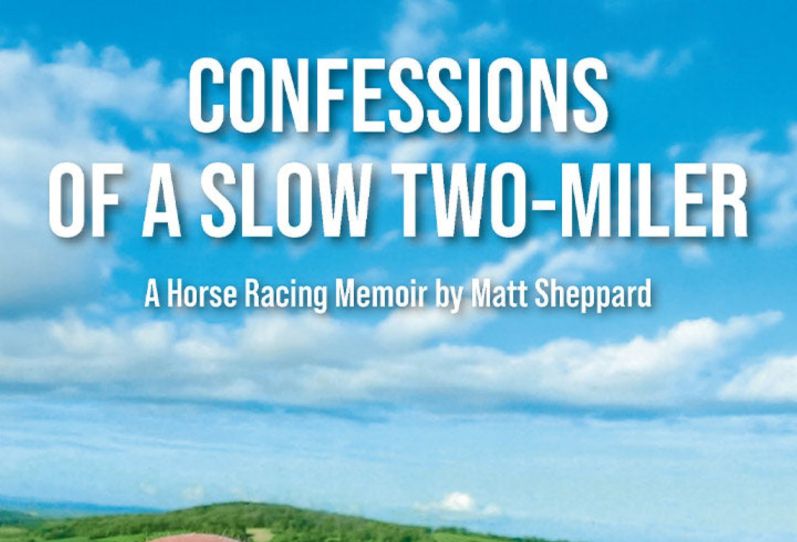
This struggle against the odds is brought into sharp and sometimes amusing focus in the self-published Confessions of a Slow Two-Miler, not so much an autobiography as a string of connected thoughts in the career of small trainer Matt Sheppard, bringing home to readers the challenges of running a modest-sized stable without any Saturday stars.
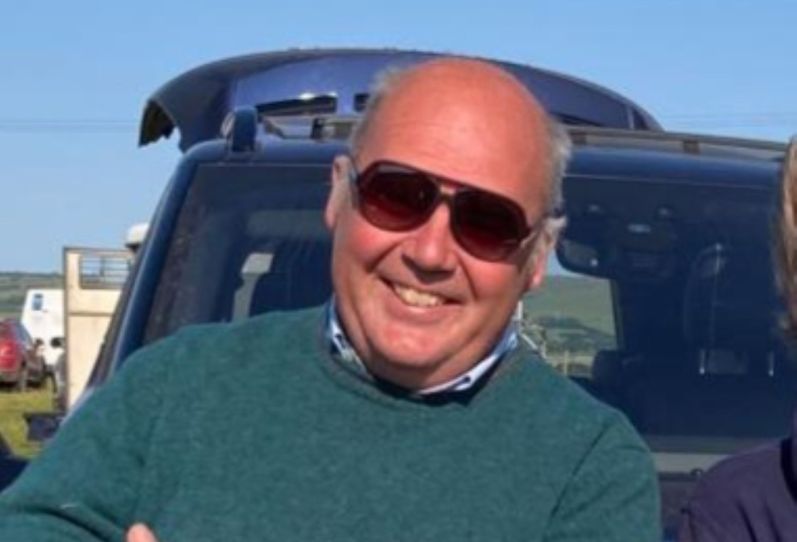
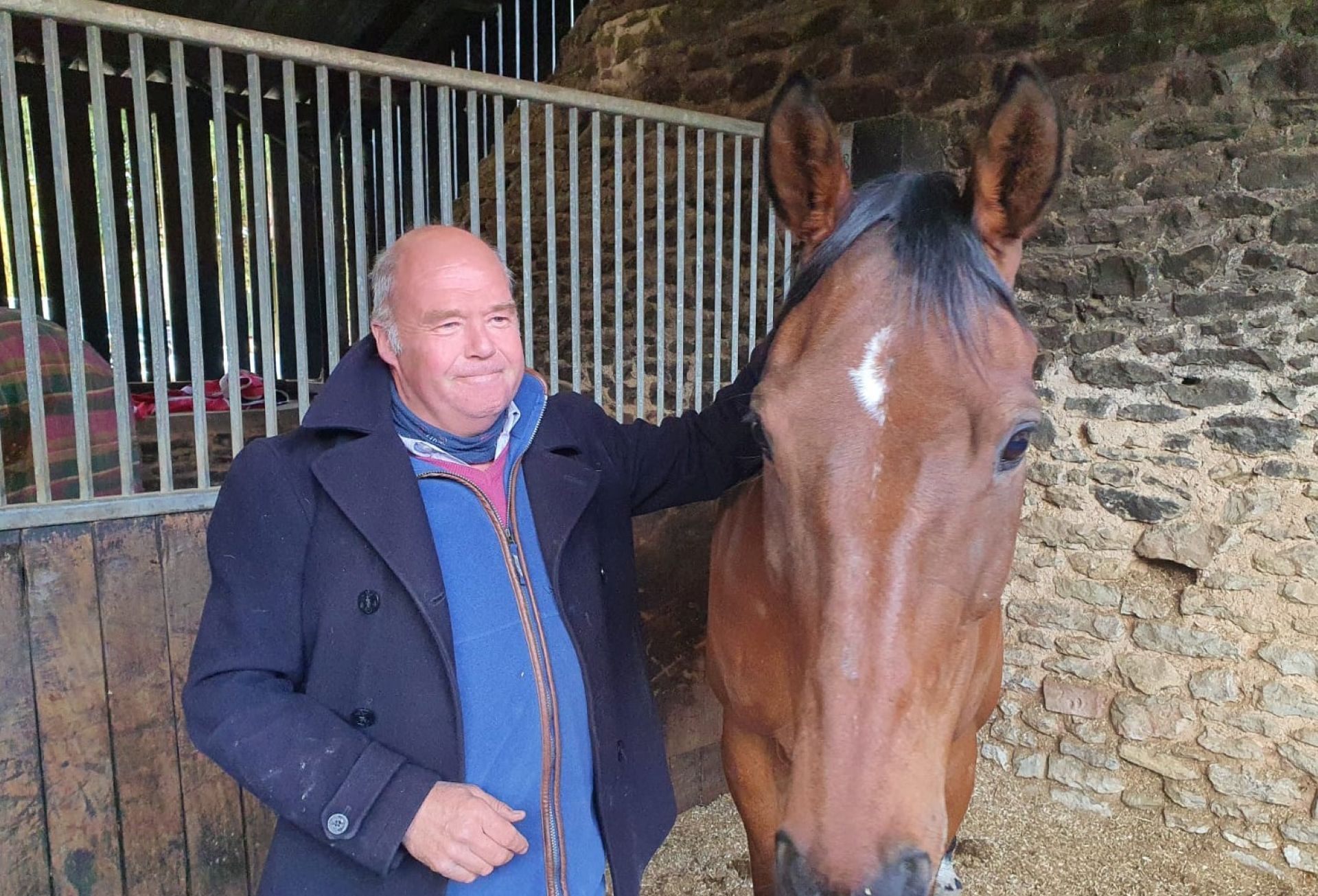
Sheppard is one of life's optimists whose glass is always half-full, not half-empty. originally a Somerset lad, his family moved to Brecon before he was 10 in pursuit of a larger farm than Somerset land prices would allow. Like many of his contemporaries, he found his way into racing through Point-to-Pointing, and remains, through his indefatigable wife and life partner Nicky, very attached to those roots. Nicky is Area Secretary for the West Mercian Point-to-Point Association, providing guidance for 12 fixtures stretching from Ludlow to Chipping Campden, and as far north as Cheshire.
A career with Mercy Rimell at Kinnersley provided an initial grounding, followed by a spell with Arthur Moore in Ireland in an assistant role. The Rimell years included the memorable win of granddaughter Katie Rimell on Three Counties in the Cheltenham Foxhunters in 1989, whilst in between these, a spell for Paul cole at Whatcombe introduced him to Michael Bell, now a contemporary training in Newmarket, who had his own very decent hunter chaser Ten Cherries.
Matt took the plunge to start training under his own name in 1992, at Eastnor Castle, a Herefordshire estate owned by James Hervey-Bathurst. In the 80s and 90s, field sizes were substantial in Pointing, and the professional horsemen were keen supporters, in person socially, as riders and trainers. The late Ian Balding used to ride his own horses in between looking after the Queen's bluebloods at Kingsclere. Riders like Julian Pritchard were on top of their game.
The publication is in many respects an indictment of the precarious nature of racing in Britain, but it's also an uplifting story of surviving in a pool of some 600 like-minded trainers each seeking to tease money for horses from enthusiasts for horseracing. There is no fool so stupid as to buy into a racehorse is an old adage, yet the appetite to do so is not much diminished over time. Perhaps more owners are part-owners in clubs and syndicates, but spreading the risk is not uncommon whether in racing or other business sectors.
Owners receive several chapters of their own, each which conveys a similar message, that honesty doesn't pay. Honesty doesn't pay when telling owners that their money was not well spent on a horse that will never win a race; and honesty doesn't pay when concealing a horse's true talent to get a sensible handicap mark. This is the reality for many small volume handlers without the deep pockets of trainers at the top of the tree who have purchased horses being aimed at graded races, but who often dominate the conditions races at novice level, even at small venues like Plumpton.
In this rogues gallery of owners passing through is the likeable Simon Gegg, whose horses frequently won, who gave his trainer enough rope to hang himself (which he didn't) and who always paid his bills on time.
In the other corner have been owners who insist on racecourses where their horses should run, irrespective of talent, who delay payment, or don't pay at all.
But ultimately, this is a story of a passion for the thoroughbred, laced with amusing anecdotes of people and animals, that has enabled Matt, with Nicky at his side, to enjoy life as a trainer of racehorses, and as a small-time author.
It's a great read.