
News
Thursday October 1 2026
From Europe to Keeneland: Horses Heading for the 2026 Breeders’ Cup
For some horses, the road to the Breeders’ Cup runs through Saratoga or Del Mar. For others, it begins thousands of miles from Kentucky, at places such as Goodwood, York and Leopardstown. That international route is taking shape ahead of the 2026 Breeders’ Cup World Championships at Keeneland on October 30 and 31. European races have already produced automatic qualifiers across several divisions, but earning a qualifying berth doesn't necessarily mean a horse will make the trip. Connections still have decisions to make before the championship fields become final.
Goodwood Put Several European Names on the Map
Glorious Goodwood produced several automatic Breeders’ Cup qualifiers. Bow Echo won the Group 1 Sussex Stakes over a mile on July 29, earning a Mile berth, but was retired following a setback on August 11. Diamond Necklace followed with victory in the Group 1 Nassau Stakes, securing a place in the Breeders’ Cup Filly & Mare Turf.
Goodwood also produced a juvenile qualifier when Pershaada won the five-furlong Molecomb Stakes and earned a Juvenile Turf Sprint berth. Bow Echo's subsequent retirement shows why a Challenge victory does not guarantee a Breeders’ Cup start, with plans and circumstances still able to change before the championship fields are settled.
Item Took a Different Route Through York
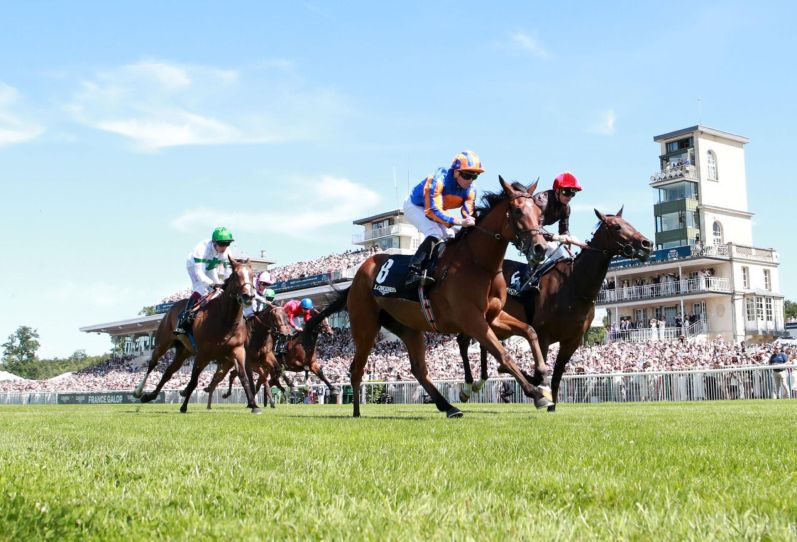
York added another intriguing name to the international picture when Item won the Group 1 Juddmonte International over 1 1/4 miles on turf, earning an automatic berth in the Breeders’ Cup Classic. The Classic covers the same distance on dirt, so surface and the plans of connections remain important when considering whether Item will pursue that route.
York also produced a juvenile qualifier when Haffner won the seven-furlong Acomb Stakes and secured a Juvenile Turf berth. Together, the two results show how Europe's route to the Breeders’ Cup extends from established older horses to two-year-olds emerging from their summer campaigns.
Ireland Added More Horses to the Conversation
The Irish Champions Festival supplied two notable qualifiers on September 12. Hotazhell caused a major upset at Leopardstown by winning the Group 1 Irish Champion Stakes at 50-1, edging Wimbledon Hawkeye in a photo finish. The victory earned him an automatic Breeders’ Cup Turf berth after an earlier Group 1 success in Germany.
Blue Bolt also strengthened the European contingent by winning the Group 1 Matron Stakes by 2 1/4 lengths. The result extended her unbeaten 2026 campaign and secured a place in the Breeders’ Cup Filly & Mare Turf, showing how a major September performance can quickly change the picture among European contenders.
European Form Starts Influencing the Breeders’ Cup Picture
Qualifying victories help identify possible runners, but recent form provides another layer of information. A horse arriving after a major Group 1 success naturally creates a different conversation from one whose best performance came several months earlier.
Fans following 2026 Breeders' Cup betting can compare changing expectations with Challenge Series results, recent performances and the possible race targets of horses preparing for Keeneland. Those markets are one snapshot of expectations rather than a guarantee of what will happen on championship weekend.
European form also needs context when horses cross the Atlantic. Distance, surface, travel and competition all add variables, while race targets may remain uncertain until connections confirm their plans. Qualification identifies potential runners, but the entry process ultimately shapes the championship fields.
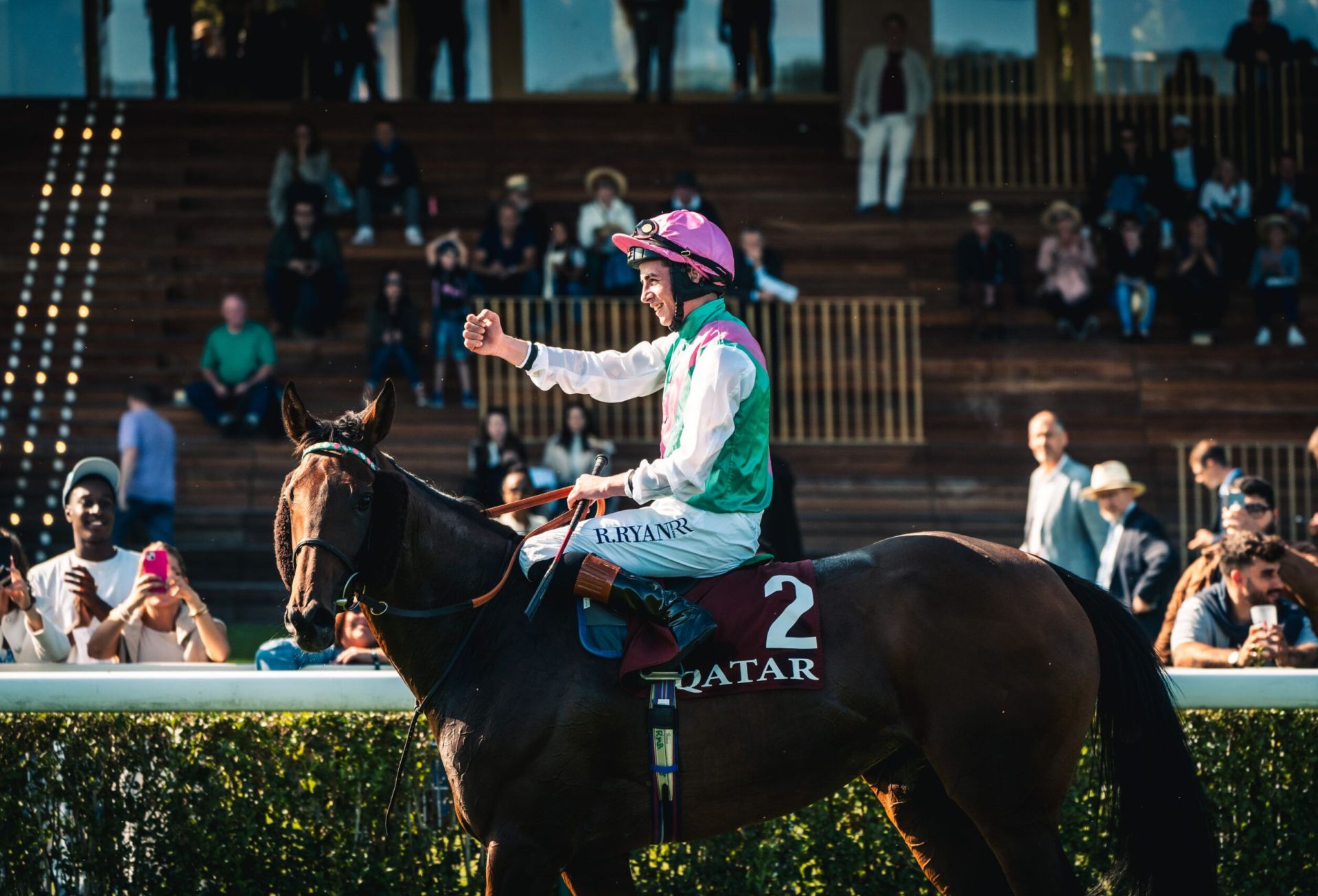
France Is an Important Part of the European Qualifying Route
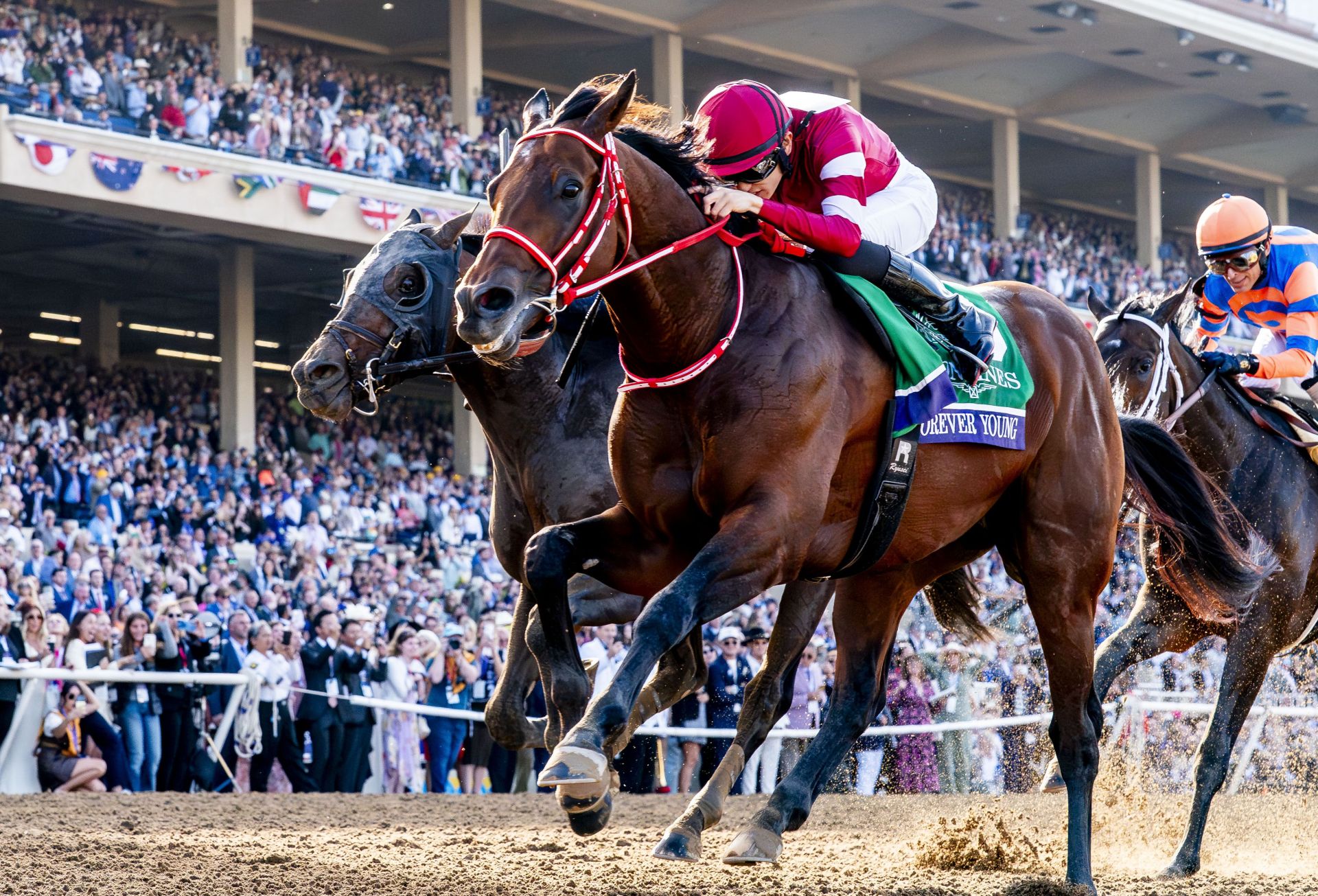
France provides several routes into the Breeders’ Cup through major races at ParisLongchamp. The Prix de l'Arc de Triomphe is connected to the Breeders’ Cup Turf, while the Prix de l'Opera provides a qualifying route to the Filly & Mare Turf.
The programme extends across different distances and age groups. The Prix de la Foret is linked to the Mile and the Prix de l'Abbaye to the Turf Sprint, while two-year-olds can qualify through the Prix Jean-Luc Lagardere for the Juvenile Turf and the Prix Marcel Boussac for the Juvenile Fillies Turf.
Together, those races show the breadth of the European qualifying programme, covering different ages, distances and divisions. That range makes France an important part of the route European horses can take towards Keeneland.
A Breeders’ Cup Berth Isn't a Confirmed Starting Gate
The phrase "Win and You're In" is straightforward, but there’s still a process between winning a qualifier and lining up at Keeneland. For nominated horses, a Challenge Series victory provides an automatic starting position in the corresponding championship race and covers pre-entry and entry fees. During pre-entry, connections can state a first race preference and, if desired, a second.
Field limits also matter. Most Breeders’ Cup races allow up to 14 starters, while the Dirt Mile and Juvenile Turf Sprint allow 12. In oversubscribed fields, corresponding Challenge winners receive priority, with additional places allocated through the points system and panel rankings.
Diamond Necklace, Item, Hotazhell and Blue Bolt all earned places through the Challenge Series. Bow Echo also earned a berth at Goodwood but was subsequently retired after a setback, showing why qualification alone does not guarantee an appearance at Keeneland.

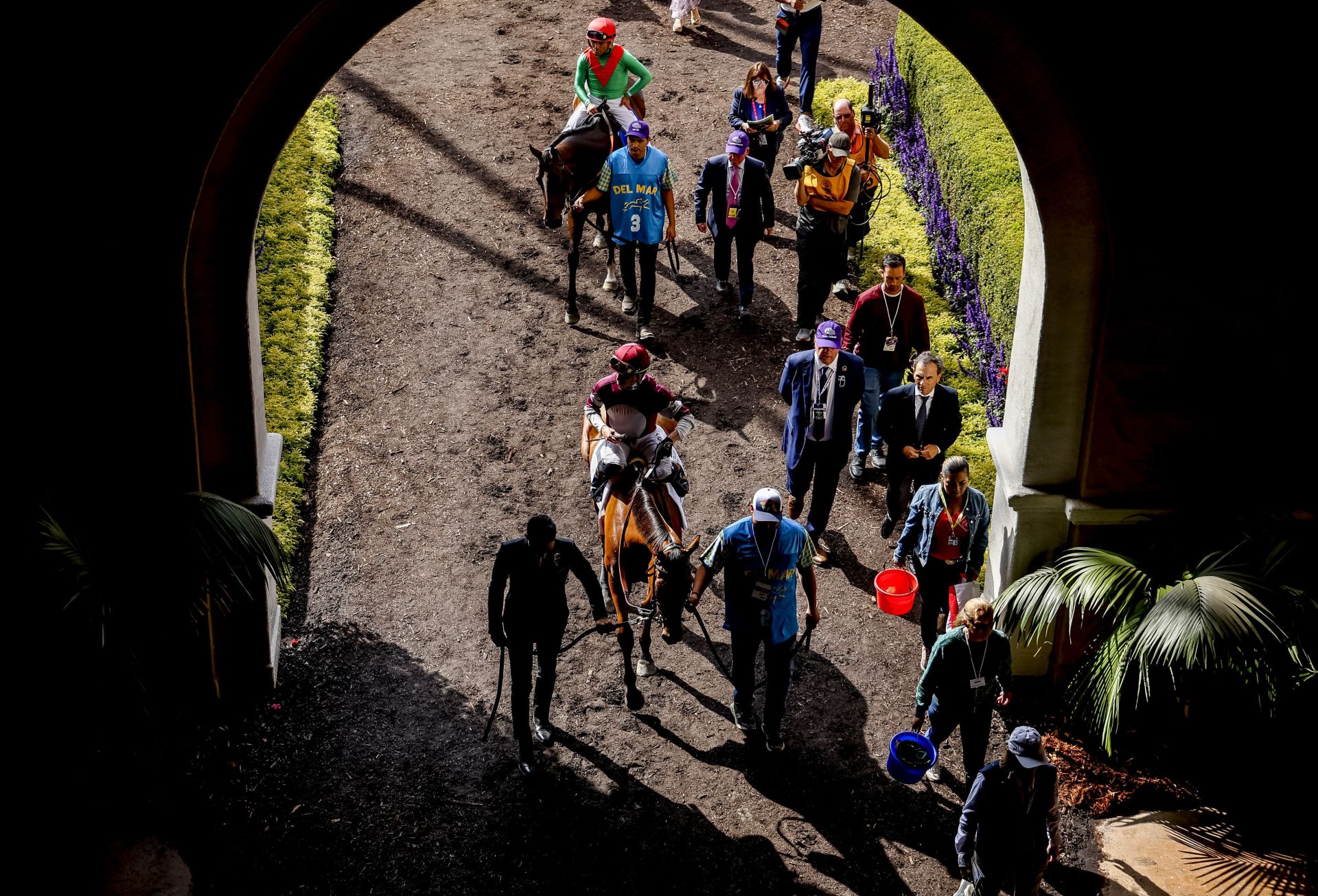
Crossing the Atlantic Is Part of the Breeders’ Cup Story
The European road to Keeneland stretches across meetings in Britain, Ireland and France, with the Challenge Series connecting major European races to different Breeders’ Cup divisions. Earning an automatic berth is an important step, but Bow Echo's subsequent retirement illustrates why qualification and participation remain two different things.
That distinction is what makes the international build-up so compelling. Winning at home establishes the opportunity, while race selection, travel plans and the entry process determine how that opportunity develops. For European contenders, reaching the Breeders’ Cup is therefore about more than qualifying.
The final interest comes when those different routes converge at Keeneland. European horses that make the journey arrive with form established across different courses, distances and conditions before meeting international opposition on championship weekend. That transition from a European campaign to a Breeders’ Cup test is what gives the road across the Atlantic its significance.
